How to Choose St. Louis Architecture Firm for Professional Architectural Services
How to Choose St. Louis Architecture Firm for Professional Architectural Services
Blog Article
Best Architectural Firm: Producing Visionary Spaces for Modern Living
Prominent architecture companies are transforming the notion of modern living through state-of-the-art solutions. They focus on merging functionality with environmental responsibility, addressing urban challenges and evolving lifestyles. These companies utilize smart technologies and eco-friendly resources to develop flexible spaces. As they emphasize social engagement and durability, the influence of their work goes past aesthetics. What are the particular trends and methods that define their approach? The answers may surprise many.
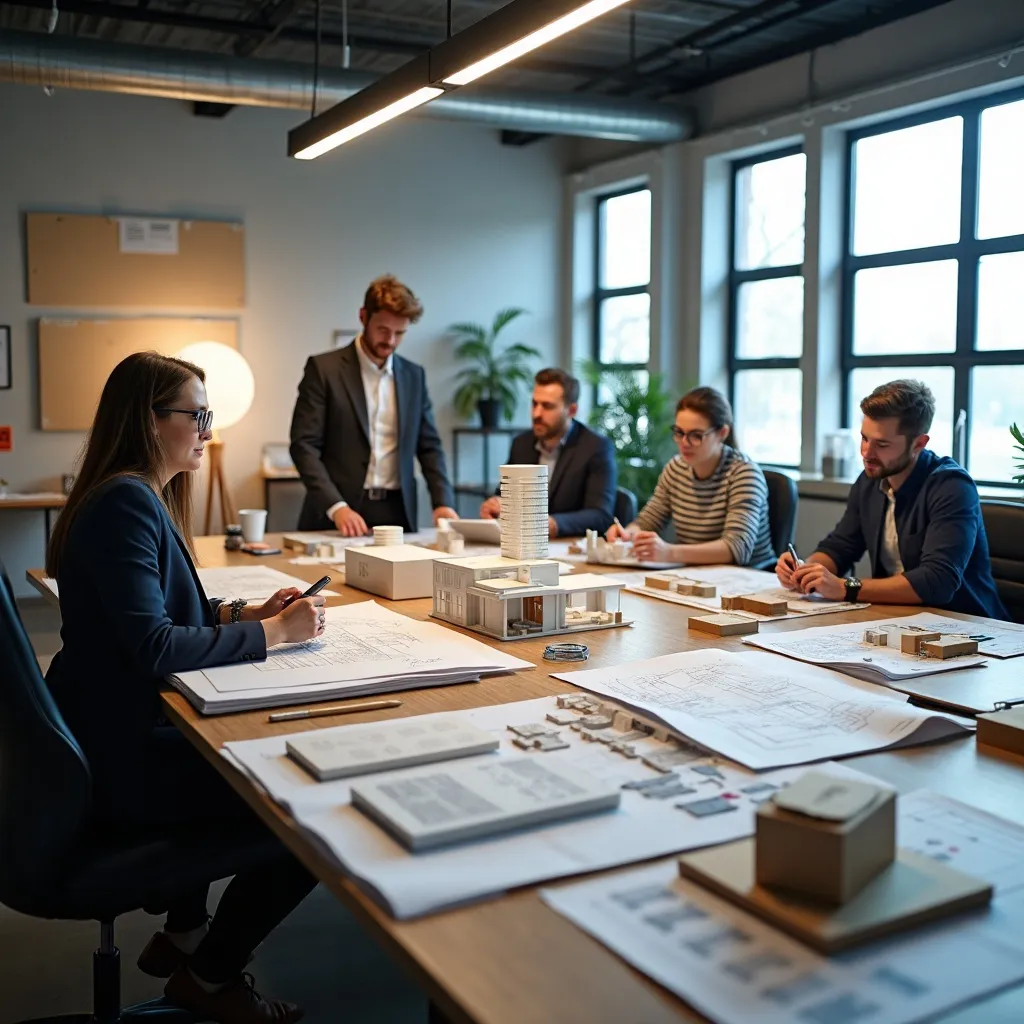
Architecture Firms and Their Impact on Today's Lifestyle
With urbanization quickly advancing, architecture firms function as a key force in creating modern living environments. These firms are not simply designers; they are thought leaders who merge functionality, sustainability, and aesthetics into their projects. By partnering with urban planners and communities, they create spaces that capture contemporary lifestyles while satisfying the needs of diverse populations.
Design firms incorporate state-of-the-art materials and solutions to strengthen energy efficiency and lessen environmental impact, supporting global sustainability goals. They value user experience, developing spaces that promote social interaction and quality of life.
Additionally, these firms are accomplished in managing regulatory frameworks, ensuring designs observe local codes while pushing creative boundaries. Their reach extends beyond individual buildings, influencing cityscapes and strengthening overall quality of life. Through thoughtful planning, architecture firms not only fulfill current demands but also anticipate future trends, making them essential players in the evolution of urban living.
Key Obstacles in Modern Architectural Design
Contemporary architectural design encounters significant challenges, mainly in sustainability and ecological footprint. The integration of cutting-edge technology further makes more difficult the design workflow, requiring adaptability to quickly evolving construction techniques and approaches. Tackling these issues is essential for creating spaces that satisfy contemporary needs while remaining ecologically conscious.
Green Sustainability and Environmental Impact
Sustainability and environmental impact have emerged as critical issues in contemporary architectural practice, driven by the urgent need to tackle climate change and resource depletion. Architects face the imperative to minimize carbon footprints while maximizing energy efficiency in their projects. This involves utilizing sustainable materials, optimizing water usage, and integrating green spaces within urban environments. The challenge lies in balancing aesthetic aspirations with ecological responsibility, often requiring innovative solutions that rethink traditional building practices. Additionally, regulatory frameworks and client expectations can complicate the pursuit of sustainable design. As architects aim for harmony between human habitation and natural ecosystems, the integration of sustainable practices becomes essential for creating resilient, adaptable spaces that meet the needs of future generations.
Technological Incorporation and Flexibility
While the rapid advancement of technology presents exciting possibilities for architectural design, it also presents considerable obstacles in ensuring adaptability within built environments. Architects must manage the intricacies of incorporating smart technologies, such as IoT systems and energy-efficient solutions, while ensuring structures remain flexible to future changes. This demands a thoughtful approach to design that balances aesthetics with functional longevity. Additionally, the rapid speed of technological innovation can lead to obsolescence, encouraging architects to consider modular components that can be easily updated or replaced. Collaboration with engineers and technology experts is crucial to create spaces that not only meet current needs but also anticipate future demands. Ultimately, the ability to adapt is essential for sustainable and innovative architectural solutions.
Top Architecture Firms and Their Creative Design Trends
As architectural practices continue to evolve, top firms are redefining the parameters of design with cutting-edge trends that merge beauty and practicality. One notable trend identified in leading architecture firms is the emphasis on spacious layouts, encouraging flexibility and connectivity in modern living spaces. Additionally, the integration of nature-inspired design features, which feature greenery and natural materials, improves the overall well-being of occupants.
A significant characteristic involves the use of modular building approaches, allowing quick assembly and flexibility in application to various environments. Design experts are progressively focusing on user-centric methodologies, customizing locales to meet the specialized needs of societies and persons.
Moreover, the incorporation of smart technology is altering traditional architectural practices, enabling better user interaction and energy efficiency. Through these forward-thinking architectural innovations, top architecture firms are establishing the future of living spaces, constructing environments that are not only visually appealing but also highly functional.
Contemporary Sustainable Methods in Architecture
Within the sector of building design, forward-thinking eco-conscious methods are becoming increasingly vital. Architects are now emphasizing environmentally friendly materials, putting into practice energy-efficient design strategies, and implementing waste reduction techniques. These solutions not only improve the ecological footprint of buildings but also foster enduring environmental stewardship in the industry.
Green Building Materials
More and more architects are integrating green building materials as critical parts of sustainable design. Typically sourced from renewable resources, these materials reduce environmental impact while increasing aesthetic appeal. Innovations like bamboo, reclaimed wood, and recycled metals are more frequently chosen for their lasting quality and low carbon footprint. Moreover, manufacturers are offering eco-friendly alternatives to conventional materials, including low-VOC paints and non-toxic insulation options. The use of these materials both promotes environmental stewardship and enhances healthier living spaces through the lowering of harmful emissions. Architects are progressively recognizing that the thoughtful selection of green building materials can lead to a more responsible approach to construction, ultimately aiding both occupants and the planet.
Sustainable Energy Design Strategies
The choice of green construction materials enables adopting energy-efficient design strategies in architecture. Designers are progressively incorporating passive solar techniques, which enhances daylight and reduces energy use. Positioning of buildings is carefully considered to improve sunlight exposure while reducing thermal loss. Furthermore, advanced insulation and energy-efficient windows are utilized to enhance thermal comfort and decrease reliance on heating and cooling systems. Incorporating clean energy sources, such as solar panels, additionally promotes sustainability goals. Additionally, smart building technologies allow real-time energy monitoring, ensuring efficient resource management. These strategies together result in reduced energy consumption and a smaller carbon footprint, demonstrating a commitment to sustainable living in modern building design.
Waste Decrease Strategies
Implementing waste reduction tactics is vital for supporting green building in architecture. Leading firms are increasingly adopting measures that lower material waste throughout the design and construction operations. Techniques such as modular design allow for prefabrication, reducing excess materials and streamlining construction timeframes. In addition, architects are prioritizing the use of reused or reclaimed materials, thereby cutting the demand for new resources. Waste audits during construction help identify areas for improvement, helping firms to track and reduce their waste output effectively. Moreover, integrating design for disassembly principles provides that buildings can more info be easily repurposed or recycled at the end of their lifecycle. These innovative approaches not only contribute to environmental sustainability but also enhance the overall efficiency of architectural projects.
Revolutionizing Structural Design With Technology
Technology is transforming architecture by offering cutting-edge instruments and approaches that redefine design outcomes and processes. Advanced software allow architects to see ideas in three dimensions, facilitating better communication with clients and stakeholders. Building Information Modeling (BIM) improves teamwork, enabling various disciplines to coordinate seamlessly throughout a project's duration.
In addition, emerging technologies including virtual and AR provide immersive experiences, enabling clients to experience designs before construction begins. Automation in construction techniques optimizes efficiency, reducing time and costs while enhancing precision.
Sustainable innovations such as energy-efficient materials and intelligent building systems integrate seamlessly into contemporary designs, supporting eco-conscious methods. As design professionals steadily adopt these technological breakthroughs, the industry experiences a paradigm transformation, generating innovative approaches that confront current problems. Finally, digital innovations not only strengthens aesthetic potential but also changes how environments are conceptualized, constructed, and experienced.
Role of Visual Developments on Daily Routines
As technology reshapes architectural practices, design trends increasingly influence daily living experiences. Contemporary approaches prioritize spacious layouts and multifunctional spaces, promoting flexibility and adjustability in urban environments. This shift allows residents to maximize their living areas, fostering a sense of community and engagement.
Sustainable materials and energy-efficient designs are also gaining prominence, matching a growing societal focus on environmental responsibility. These trends not only enhance aesthetic appeal but also promote healthier living conditions through better air quality and natural light exposure.
Furthermore, intelligent home automation systems is transforming how people engage with their spaces, providing ease and productivity. By responding to the evolving needs of modern lifestyles, architecture demonstrates broader cultural shifts and enhances general quality of life. Ultimately, the influence of styling preferences on everyday life is significant, shaping how individuals engage with their environments and one another in meaningful ways.
Determining the Best Architecture Firm to Satisfy Your Demands
What approach should one take when selecting the right architecture firm? This decision encompasses several vital factors. First, prospective clients must evaluate the firm's portfolio to guarantee its creative direction matches with their vision. Next, examining the firm's experience in specific project types, such as residential, commercial, or sustainable design, can deliver perspective into their proficiency.
Client reviews and testimonials deliver important insights on the firm's collaborative approach and reliability. Additionally, evaluating the firm's communication and project management approach is vital; effective dialogue can significantly impact the project's results.
Budget considerations are also paramount; clients should review fee structures upfront to prevent conflicts later. Finally, personal connection with the architects can enhance collaboration throughout the design process. By carefully evaluating these factors, clients can make informed decisions, ultimately leading to a productive partnership that meets their architectural needs.
Regularly Requested Questions
In What Ways Do Architecture Firms Secure Client Satisfaction During Initiatives?
Design firms ensure client satisfaction by keeping open lines of dialogue, taking client feedback into account, creating realistic schedules, providing regular updates, and creating outstanding designs that align with client objectives, ultimately strengthening relationships and cooperation throughout the project timeline.
What Skills Should I Prioritize When Finding an Architect?
When selecting an design professional, one should assess their credentials, expertise, previous projects, interpersonal abilities, and ability to understand client needs. In addition, awareness of local ordinances and sustainable practices can boost project outcomes and client happiness.
How Much Do Architectural Services Generally Cost?
Architectural solutions normally cost from $100 to $250 per hour, contingent upon the firm's reputation and project complexity. Fixed fees for specific projects might be available, typically totaling 5% to 15% of construction costs.
May I Partner Hands-On With the Architect Regarding My Project?
Yes, working directly with the architect is often possible. Many firms encourage client participation to guarantee projects showcase personal ideas, building communication and alignment throughout the design process for ideal results and contentment.
What Defines the Usual Timeline for an Architectural Venture?
The common timeframe for an building project fluctuates, commonly stretching from a number of months to a couple of years. Factors impacting this period comprise level of intricacy, regulatory approvals, and feedback from clients, which all shape the general timeline.
Report this page